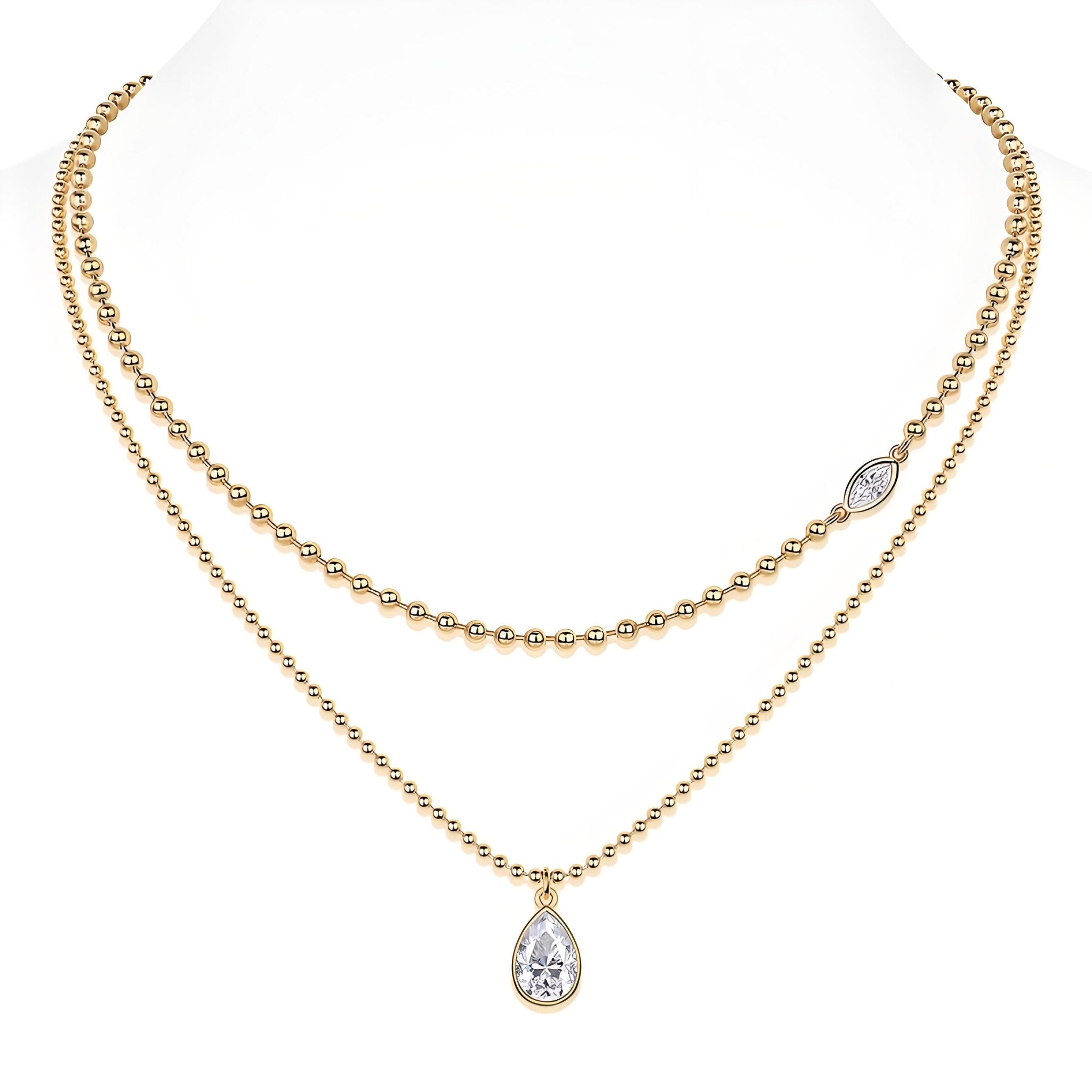
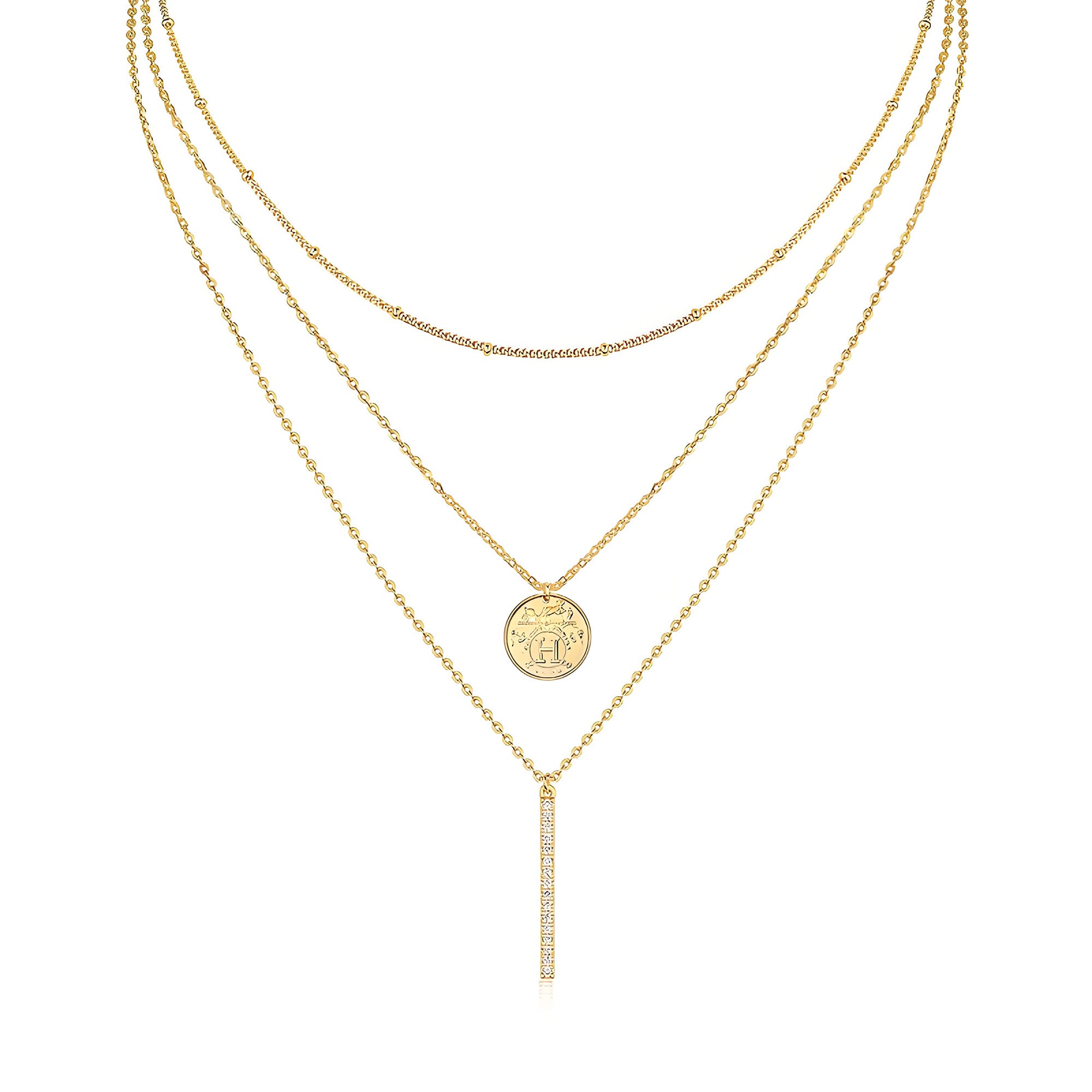

Here's something most brides don't think about until they get their photos back: your wedding jewelry is going to be in every single picture. The cake gets eaten, the flowers wilt, and that gorgeous dress goes into storage. But your jewelry? It's frozen in time in every album, every wall portrait, and every photo that gets shared for decades to come.
We've seen too many brides disappointed when their stunning jewelry looked dull or created weird reflections in their wedding photos. The truth is, not all jewelry photographs equally well. Let us walk you through what actually matters when you're choosing pieces that'll look amazing in pictures.
Why Your Metal Choice Actually Matters for Photos
You might think all metals photograph the same way, but that couldn't be further from the truth. Each metal has its own personality under camera lights, and understanding this can save you from some serious photo regrets.
White gold are honestly your safest bets.
They photograph consistently whether you're under harsh fluorescent lights, romantic candlelight, or natural sunshine. They've got this beautiful neutral quality that creates elegant highlights without those annoying bright spots that can wash out your photos. If you're the type who wants zero photo stress, stick with white metals.
Yellow gold brings warmth and richness.
That looks incredible in certain settings—especially outdoor weddings during golden hour or candlelit evening receptions. But here's the catch: it can create overblown highlights if your photographer isn't careful with exposure. Just make sure you discuss this with your photographer beforehand.
Rose gold has been having a major moment, and for good reason.
It photographs beautifully against almost every skin tone and adds this romantic, soft dimension to photos. It's like Instagram's favorite filter built right into your jewelry.
Now, here's an insider tip that'll change everything: brushed or matte finishes photograph way better than high-polish surfaces.
I know, I know—that mirror-shine looks gorgeous in person. But in photos? It creates distracting light flares and reflection artifacts that pull attention away from your face. A satin or brushed finish diffuses light more evenly, giving you texture and interest without the photographic headaches.
The Diamond Cut That'll Make or Break Your Photos
Let's talk about why your stone's cut matters more than you probably realize. This is where most brides get caught up in clarity grades and color ratings, but here's what professional wedding photographers will tell you: the cut determines everything in photos.
Round brilliant cuts are the MVPs of wedding photography.
They maximize light return and create consistent sparkle no matter what lighting situation you're in. Whether it's a close-up ring shot or a wide venue photo, these babies perform. Their symmetrical facets just work.
Princess cuts give you that modern, contemporary vibe while still bringing exceptional brilliance.
They photograph especially well in natural light—perfect for outdoor ceremonies or venues with lots of windows.
Cushion cuts are your vintage-loving bride's best friend.
Their larger facets create these bold flashes of light that really pop in photographs. If you want that romantic, timeless look, cushion cuts deliver.
Here's where it gets tricky: emerald and Asscher cuts.
These step-cut beauties produce elegant, linear reflections instead of scattered sparkle. They're sophisticated and gorgeous, but they need controlled lighting to really shine in photos. If you're getting married in a dimly lit venue, these might not photograph as dramatically as you'd hope. Avoid stones with excessive depth or weird proportions. They can look dark or lifeless in photos, even if they sparkle like crazy in person. Same goes for super shallow cuts—they might lack that dimensional pop you want in your wedding album.
Matching Your Jewelry to Your Dress and Venue
Your jewelry needs to work with your dress and venue, not fight against them. It's all about balance. Got a heavily embellished gown with lace, beading, or appliqués? Keep your jewelry simple. Too much going on creates visual chaos in photos—your eye doesn't know where to focus. But if you're wearing a clean-lined, minimalist dress? That's your green light for more elaborate jewelry.
Think about your venue too. Outdoor garden weddings benefit from jewelry that catches and plays with natural light. Dramatic ballroom settings can handle bolder pieces that won't get lost against grand architectural elements. Neckline matters more than you think. High necklines need shorter necklaces (or skip the necklace and go statement earrings). V-necks love longer pendants that echo that vertical line and create a flattering, elongating effect in photos.
Budget Allocation When You Need Maximum Impact
Let's be real about where your money should go. Your engagement ring deserves priority—it's going to be in more photos than any other piece. Close-up ring shots, couple portraits, detail shots... it's everywhere. But here's where it gets exciting: you can get a La Pretti 2-carat lab-grown diamond for the same price as maybe a 1-carat mined stone.
That extra size creates significantly more visual presence in photographs without blowing your budget. You can reallocate those savings toward complementary pieces, better settings, or—let's be honest—toward the photographer, flowers, or venue upgrades that'll make your whole day more beautiful.
Smart Strategy for Couples
Your wedding jewelry's photographic legacy lasts forever. Here's a smart strategy: invest in a larger center stone with excellent cut quality rather than obsessing over clarity grades that cameras can't even capture. An eye-clean, beautifully cut stone photographs identically to a flawless stone. Let that sink in. You're literally spending extra money on differences that won't show up in your wedding album.
La Pretti lab-grown diamonds are game-changers for photography-focused brides. Here's the reason: they have identical optical properties to mined diamonds—same refractive index, dispersion, and brilliance. This means they photograph exactly the same. No difference whatsoever in your photos.
Choose pieces that photograph well by focusing on what actually matters: metal finish, cut quality, and size over invisible clarity differences. Work with your photographer, consider your venue's lighting, and make strategic choices that maximize visual impact within your budget. Because years from now, when you're showing your wedding album to your kids or grandkids, you want that jewelry to sparkle just as brilliantly in those photos as it did on your wedding day.

